
The Future of AI, Skills and Social Mobility: Why the Human Factor Still Matters
I recently joined bp and a brilliant group of partners in St James’s Square for a conversation about something that is reshaping all of our lives: artificial intelligence and the future of careers. The event also marked the launch of “Artificial Death of a Career”, a book that explores how we stay relevant in a world of constant change.
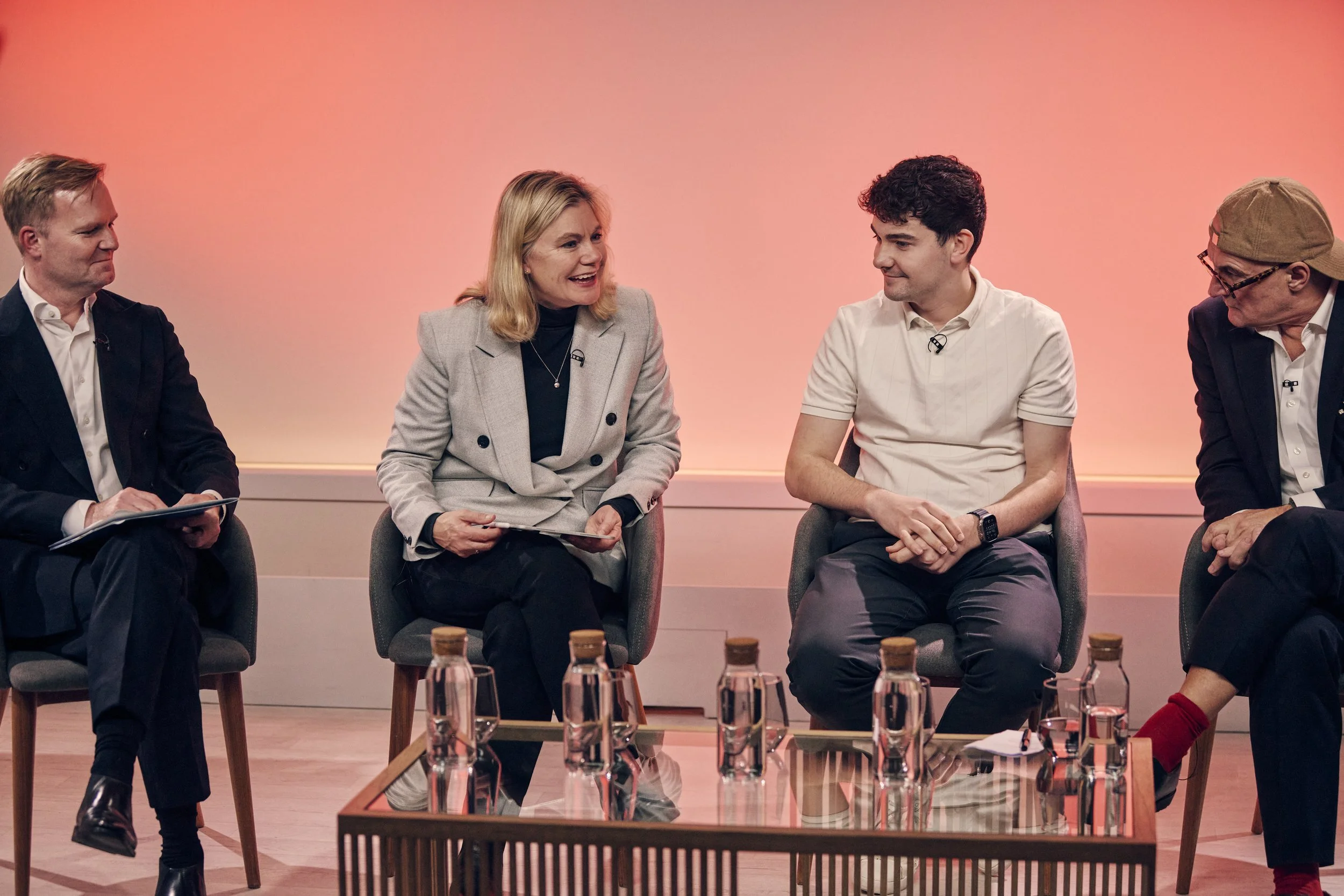
What struck me most from the discussion was this: AI is not just a technology story. It is a social mobility story. If we get this right, AI can be a powerful tool to break down barriers to opportunity. If we get it wrong, it risks hard-wiring inequality into the next generation of talent flowing into work and careers.
Getting more capacity in a system to open up opportunity is necessary for social mobility, but it’s not sufficient. Those with the fewest other barriers can take advantage of that extra capacity – that’s a good thing and progress, but we need to also recognise that for those with other barriers still remaining, whether on advice, resources, or gaining skills, more is still needed, otherwise, perversely progress widens the inequality gaps. Thinking about it in another way, there’s one thing building a pipeline, but that’s not the same as making sure everyone, all talent, can flow through it. To have real social mobility we need to do both, not just one.
AI is that latest capacity builder that presents both opportunities and challenges. On the one hand, it could be a genuine great leveller on opportunity. For the first time, high quality, personalised advice and learning could be available to many more people, much more often, and not just to those who happen to have a well-connected parent, a mentor in the family, or the "right" school or network behind them. It will mean brand new careers and opportunities in brand new sectors.
On the other hand, the people and places already best equipped to take advantage of AI will absolutely do so, and quickly. They will get tailored learning, faster productivity gains and better career insights. They may well have better access to the digital skills education that means they can take advantage of those new tech careers. Again, if we are not intentional, those without access, confidence or skills will be left further behind.
So, the question is not “Will AI drive change?” because it clearly will. The real question is “Can we make this AI change that works for everyone?”
Amid all the excitement about AI, we must not lose sight of the reality facing too many young people right now. With 957,000 young people aged 16–24 currently outside education, employment or training, nearly 200,000 more than five years ago, the UK is facing a hidden but urgent challenge. Our work across The Purpose Coalition is about bringing businesses and universities together to design clear, practical pathways into good jobs, helping young people build confidence, learn employer-valued skills and step into the workforce with purpose.
Imagine if every young person, wherever they live, could access:
Personalised careers advice, updated in real time as sectors change
Learning resources tailored to how they actually learn, not just the “average” student
Simple, clear pathways into real jobs with real employers, not just abstract guidance
AI can help us build that. But it will not happen automatically. It will only happen if businesses, universities and public services deliberately use AI to purposely widen opportunity and drive social mobility, not just to optimise processes or cut costs.
One theme that kept coming up on the panel was pace of change. The reality is that your job, even by this time next year, could look very different to the one you are doing today. Young people entering the workforce now will have to reinvent their careers more often than any generation before them.
The panel agreed it all means three things really matter.
Adaptability is a superpower. The ability to pivot, re-learn and move into new roles will be critical. AI will change tasks and job descriptions, often faster than our systems can keep up. If people are confident learners, comfortable with change, they can ride that wave instead of being drowned by it.
A clear sense of purpose is essential for all of us. When I left Parliament and reassessed my own career, the thread that kept me grounded was purpose, a determination to improve social mobility. In an AI-driven world, that personal inner compass becomes even more important. If you are going to reassess “what is next?” more frequently, you need a strong sense of what matters to you and what difference you want to make.
AI can help people explore options, but it cannot tell you what your sense of purpose might. That is still a very human task.
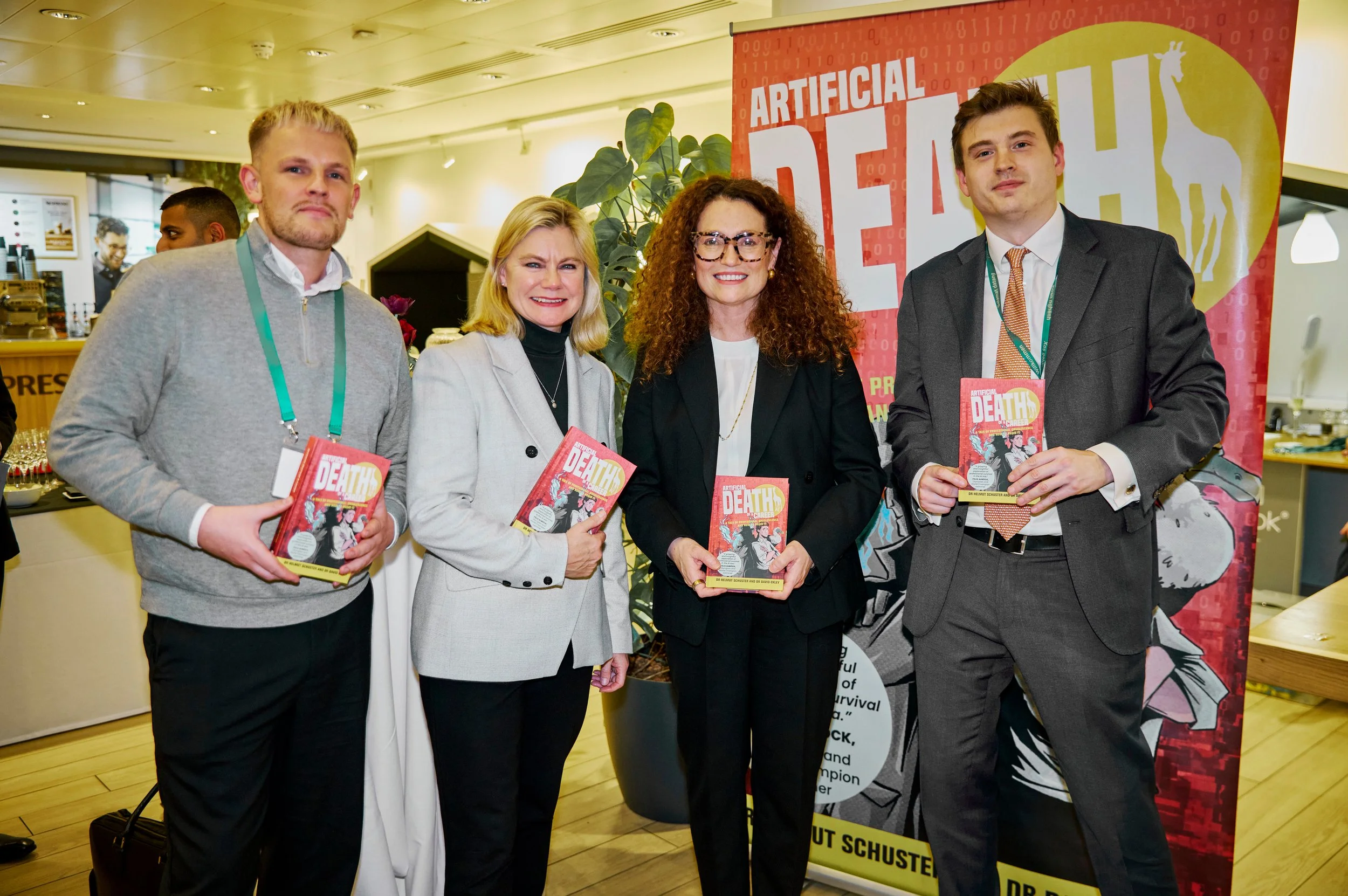
The encouraging thing is that many businesses are already leaning into this challenge. At bp, for example, they are investing heavily in educating their workforce, from AI ‘growth weeks’ that bring learning to the whole organisation, to developing their people’s digital quotient so they can work confidently alongside new tools.
That matters for social mobility for two reasons. First, employees from all backgrounds need the chance to upskill, not just those in traditionally technical roles. Second, big employers shape the wider ecosystem, including supply chains, local communities and early careers pipelines. When companies like bp, and other partners across many sectors within The Purpose Coalition, decide that AI should support fairer opportunity, it sends a powerful signal.
Our work with partners across The Purpose Coalition, from energy companies like bp to universities, local authorities, NHS trusts and major employers, is about turning those good intentions into concrete action: transparent recruitment, clear pathways into good work, and support for lifelong learning that uses AI to open doors, not close them.
Government has a role in setting the frameworks and giving schools and colleges the space to innovate safely, rather than being paralysed by risk aversion. Curriculum and assessment will need to catch up with the world young people are actually living in, not the one our education system was built for decades ago.
AI should augment our thinking, not replace it. We still need people who can:
Question the answers an AI provides
Triangulate information from multiple sources
Spot where bias might be creeping into a system
Bring empathy, judgement and lived experience to decisions
If we over-rely on AI, we risk losing the very human spark of ingenuity that sets us apart. The most successful organisations will be those that give people space to experiment, get things wrong, learn, and gradually become confident users of AI, instead of pretending it is infallible or banning it entirely.
The outcome of an AI-world is not destiny. It is a set of choices we are making now, in government, in boardrooms, in classrooms and in communities.
We could choose to let AI entrench existing inequalities but we can do better than that. Instead we can choose to make it a genuine engine of social mobility, helping young people find purpose, build skills and connect to opportunities that would otherwise have stayed out of reach. At The Purpose Coalition, that is exactly the future we are aiming for: one where technology and humanity are not in conflict but in partnership, and where the next generation can step into an AI-enabled world with confidence, skills and, above all, a sense of purpose.
