Attraction, retention and support of women in Facilities Management
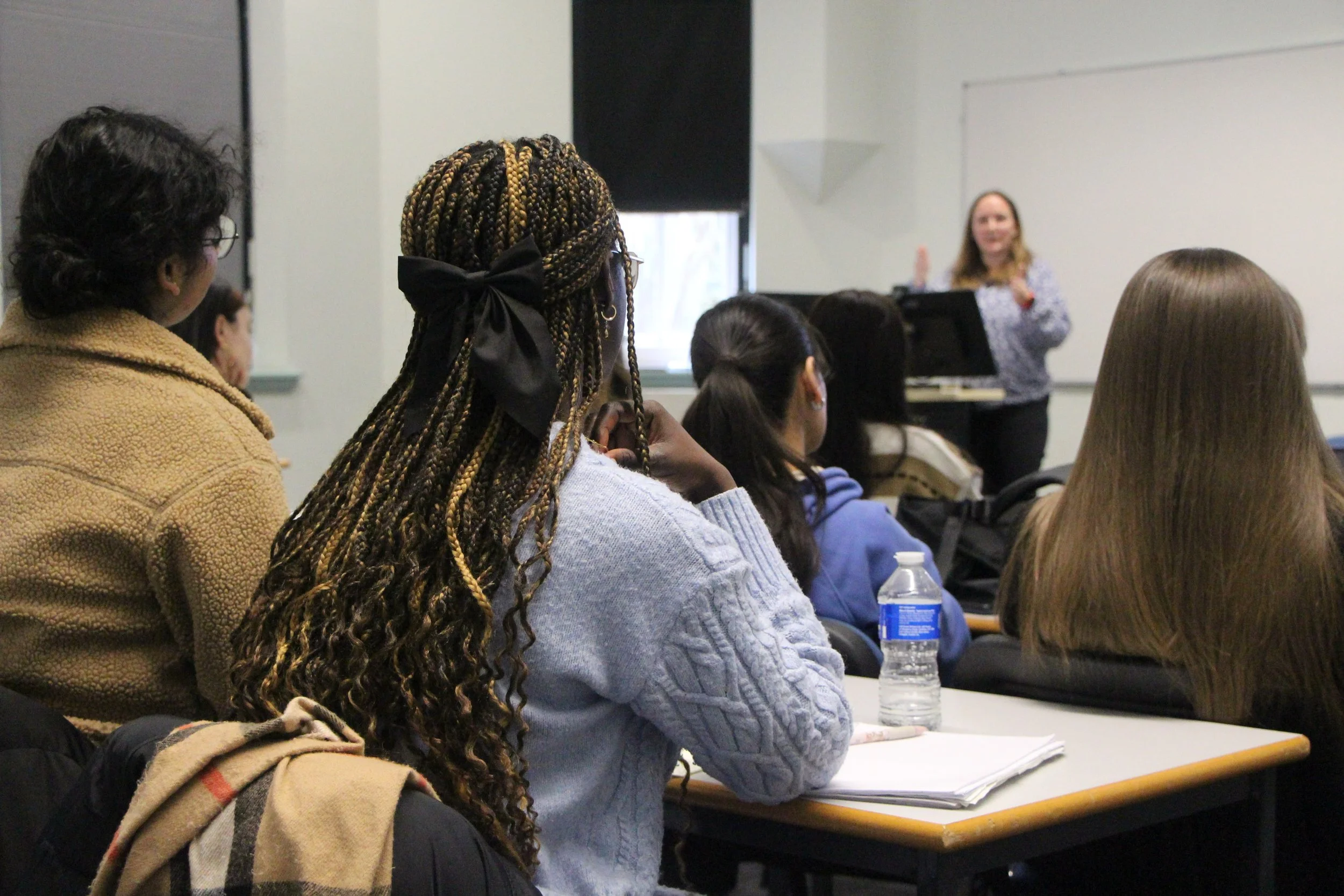
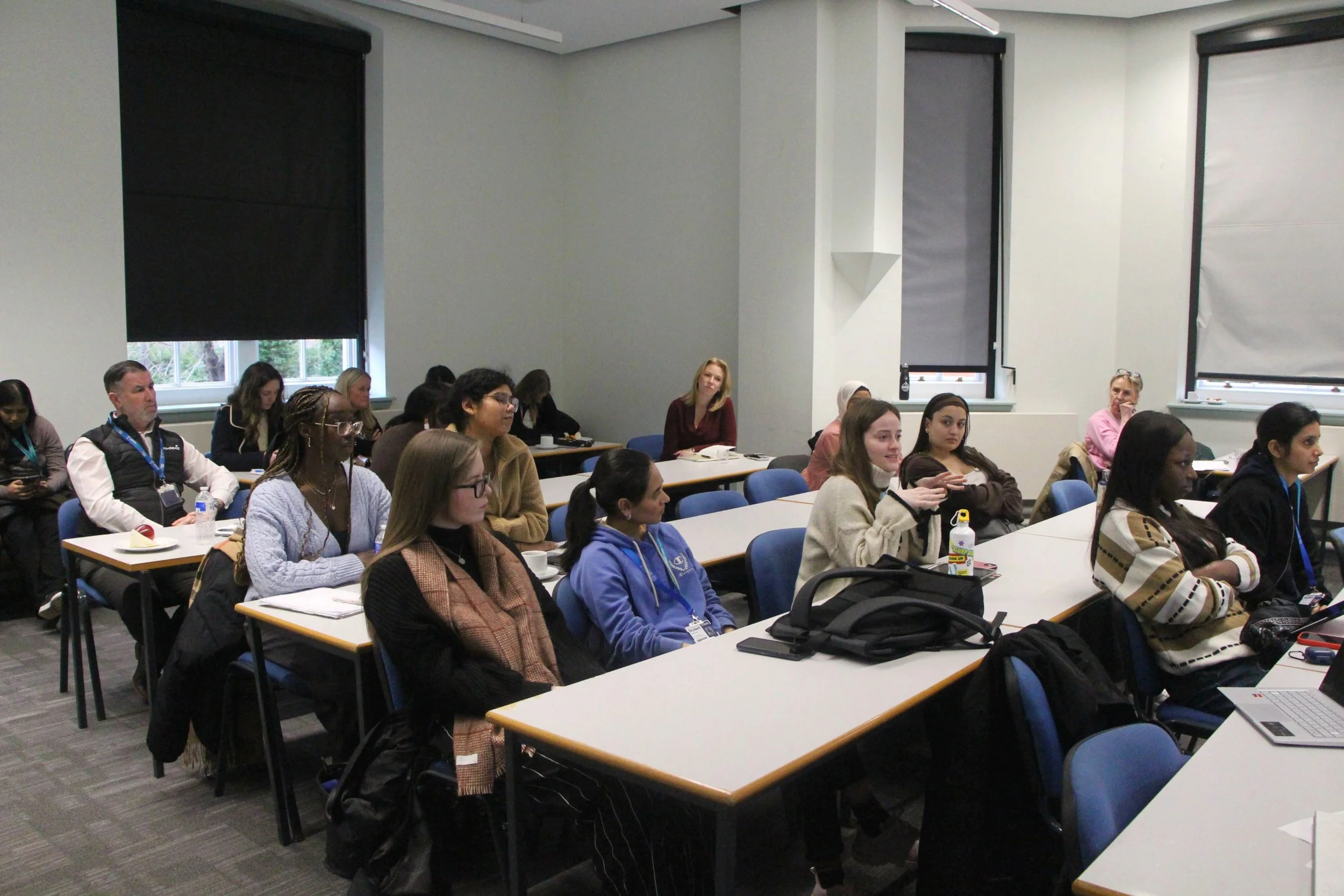
Our latest Purpose Lab session brought senior members of Sodexo’s Schools & Universities business together with female students at the University of Greenwich’s Medway Campus to explore what it takes to attract, retain and support women across Facilities Management (FM), including engineering, security and operational roles.
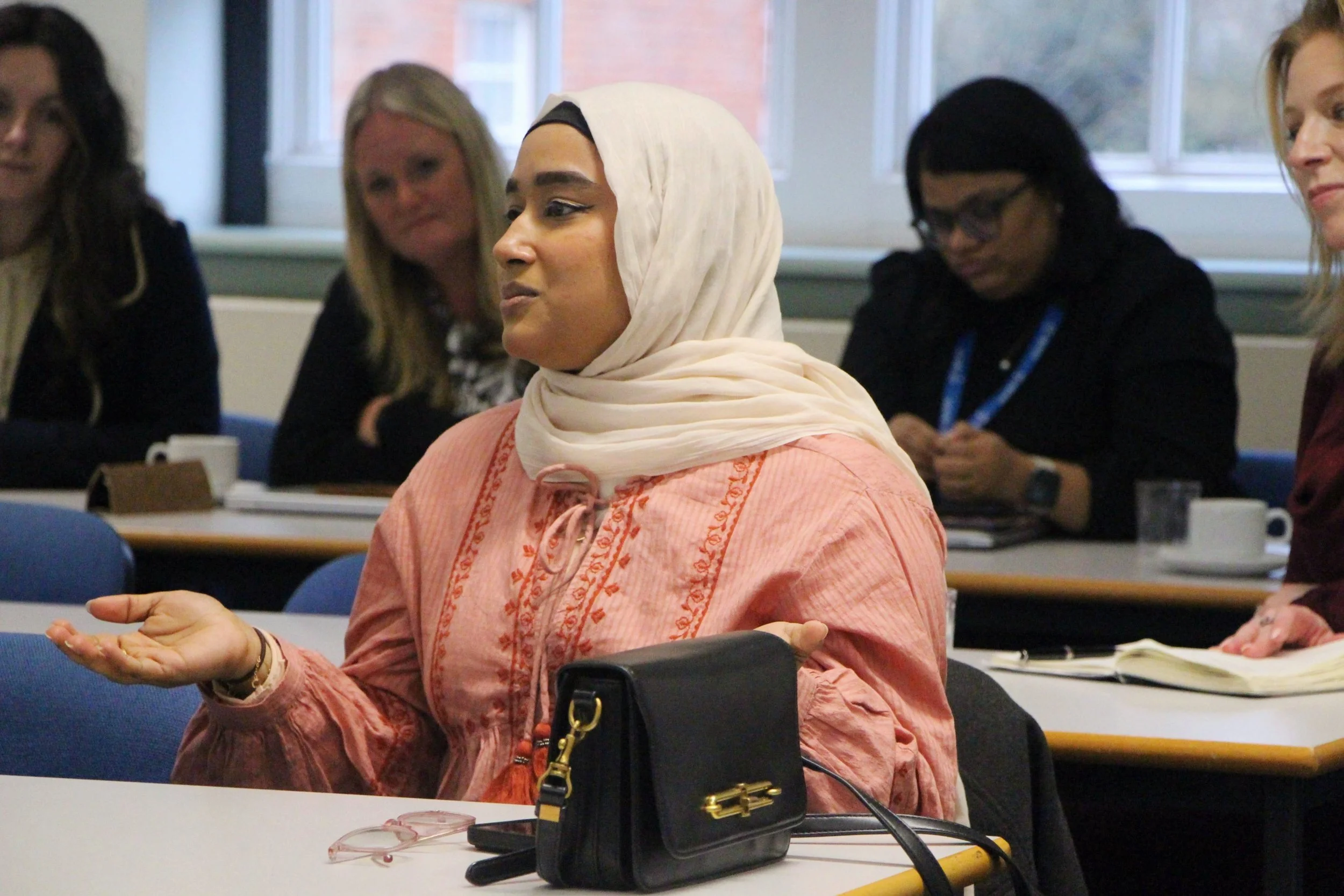
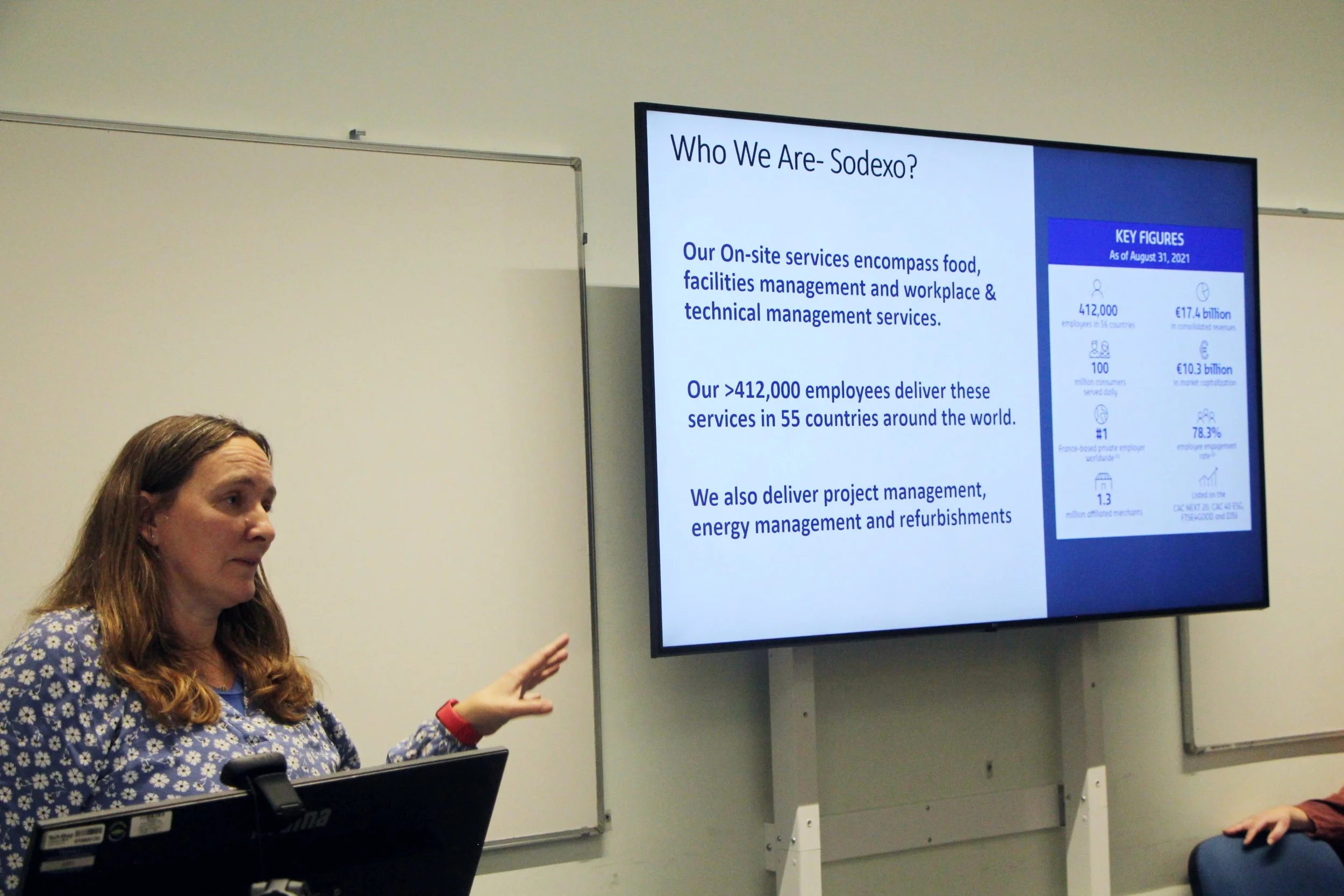
The students, who are all studying engineering-related causes, heard from Joanna Harris, UK&I Head of Technical Services at Sodexo, before feeding back their personal experiences on the topic.
Students consistently framed FM as purposeful work with real influence on people’s day-to-day experience of safety, comfort and functionality. They linked effective facilities services to wellbeing, trust and inclusion, particularly in environments like campus accommodation and learning spaces where reliability and responsiveness directly shape confidence and productivity.
Even where roles are technical, students saw FM as fundamentally people-facing. They understood that it enables others to thrive through work that is often invisible but essential.
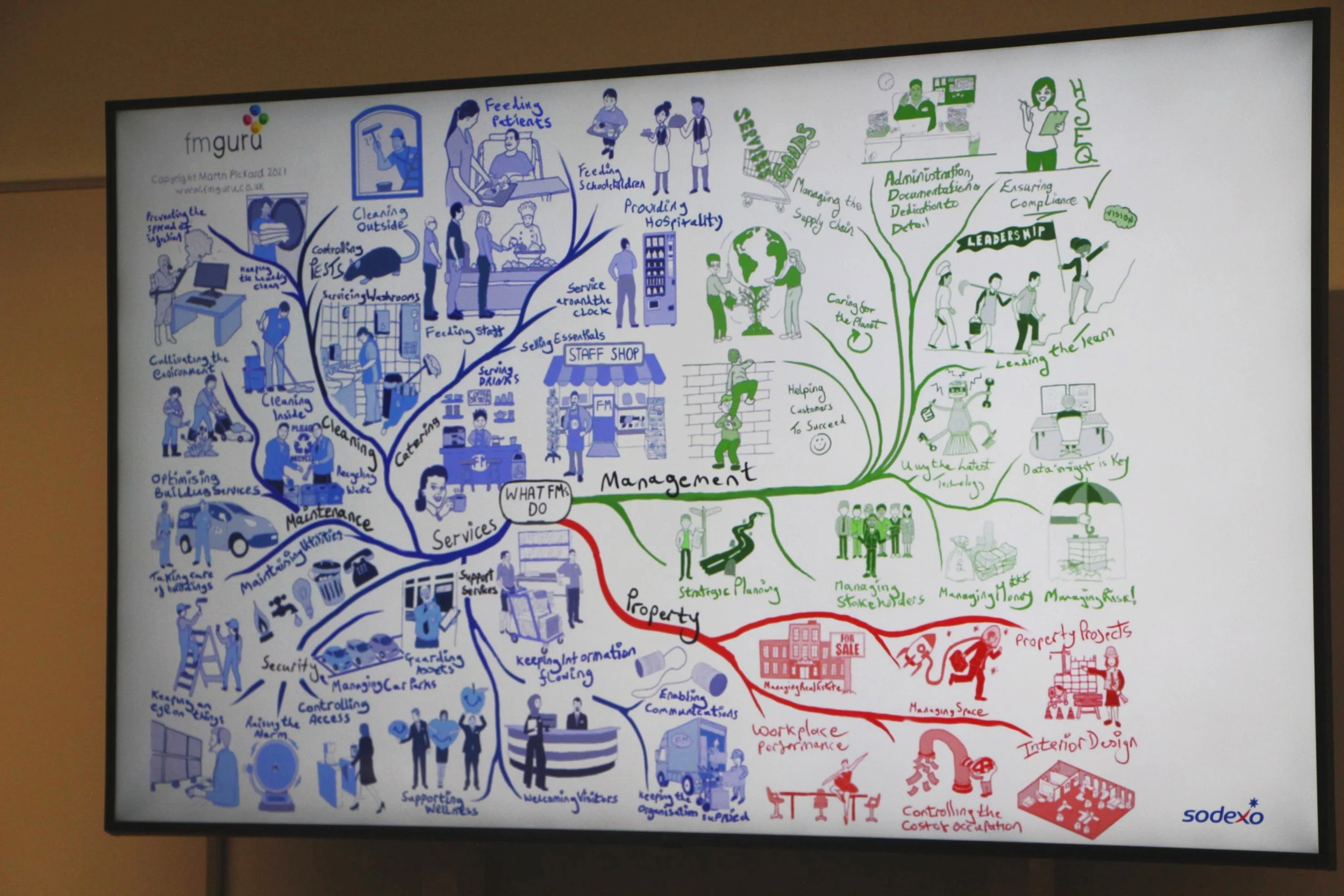
A key attraction factor was the breadth of the sector and the ability to match roles to interests and strengths, spanning technical services, operations, health and safety, sustainability and data. This variety opened up multiple entry points and supported different career aspirations.
However, students were clear that motivation would depend on what the experience feels like in practice. They described high-performing environments as those with strong communication, mutual respect, and psychological safety, where asking questions is normalised and support is reciprocal.
Learning and development emerged as a decisive retention lever. Students want structured development that builds confidence early, combining formal learning with practical exposure through hands-on training and shadowing. Mentoring was repeatedly highlighted as a mechanism for guidance, confidence-building and visibility of progression.
Students also identified barriers that can deter entry or accelerate exit, including eligibility requirements that narrow access, lengthy recruitment processes, unclear routes for international students, and cultures where people do not feel heard or taken seriously.
Some clear themes emerged from the session - design flexibility into roles and rotas where feasible, make progression routes transparent, invest in practical development and mentoring, and ensure recognition and respect are consistent and embedded in day-to-day management.