
Making water scarcity visible in everyday life
When water arrives every time we turn on a tap, it is easy to give little thought to how much we use. That was one of the starting points for Business Stream’s first Purpose Lab session, which brought participants together with the Purpose Coalition to explore awareness of water scarcity and what could encourage people to use less.
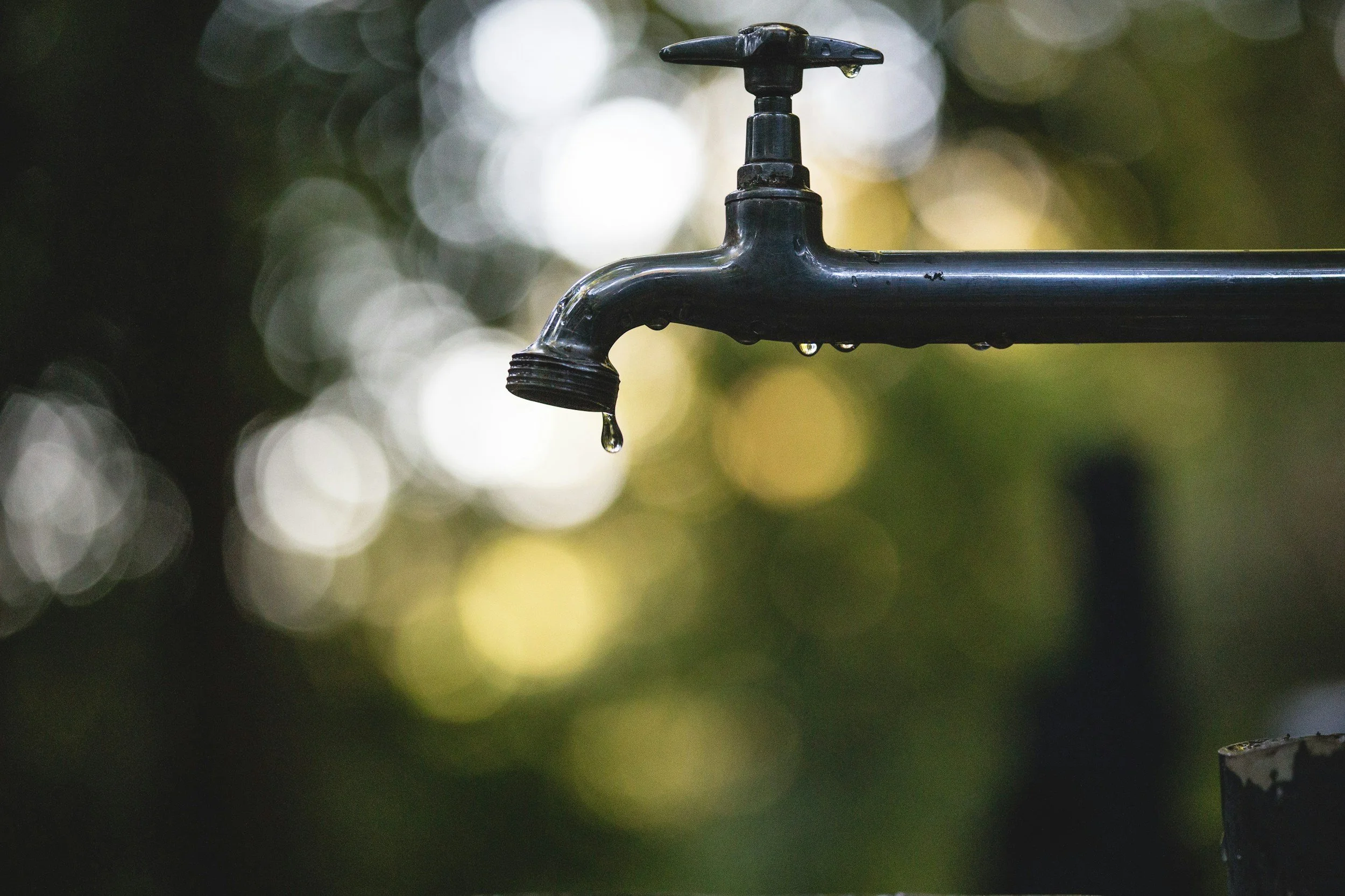
Participants arrived with different levels of awareness. Some already saw pressure on water supplies as an important issue. Others had associated scarcity with places outside the UK or had thought more about it after preparing for the session. Business Stream’s team used the discussion to explore the gap between people’s everyday experience of water and their understanding of the pressures behind it.
One participant drew attention to the difference between visible and hidden resource use. A running tap is easy to see. The usage behind infrastructure, including AI and data centre usage which was discussed in the session, are much less obvious to the person using them. That observation opened a wider conversation about habits, convenience and the influence of social trends.
Visibility also mattered closer to home. When water charges are included in rent, participants noted, residents may have little sense of their own consumption. Information about usage could make the issue more tangible. The conversation explored monitoring and practical technology as ways to help people understand what they use and identify where changes might be possible.
Participants were also clear that responsibility extended beyond individual behaviour. One challenged the scale of water lost through leakage and asked what the sector should do about it. Business Stream’s team explained the difficulty of detecting some underground leaks and described how monitoring business consumption could help identify problems. That exchange kept infrastructure and industry responsibility firmly within the discussion.
When attention turned to solutions, suggestions ranged from education and clearer information to incentives and devices that could help reduce consumption. The group considered how to make useful actions easier to understand and adopt. Raising awareness would have greater value if people could connect it to something practical they could do in their own circumstances.
Social media emerged as a possible route to that engagement. Having discussed how trends shape behaviour, Business Stream’s team reflected on whether similar channels could help communicate water-saving messages. It was an idea for further exploration, grounded in the ways participants said they encountered information and followed shared activities.
The session connected a large environmental challenge with familiar experiences: taking a shower, living with bills included in rent, following an online trend or noticing a leak. It also kept shared responsibility in view. For Business Stream, those perspectives offered useful starting points for communication that makes water use easier to understand and gives people a clearer sense of how their actions fit alongside the work of businesses and the wider sector.
