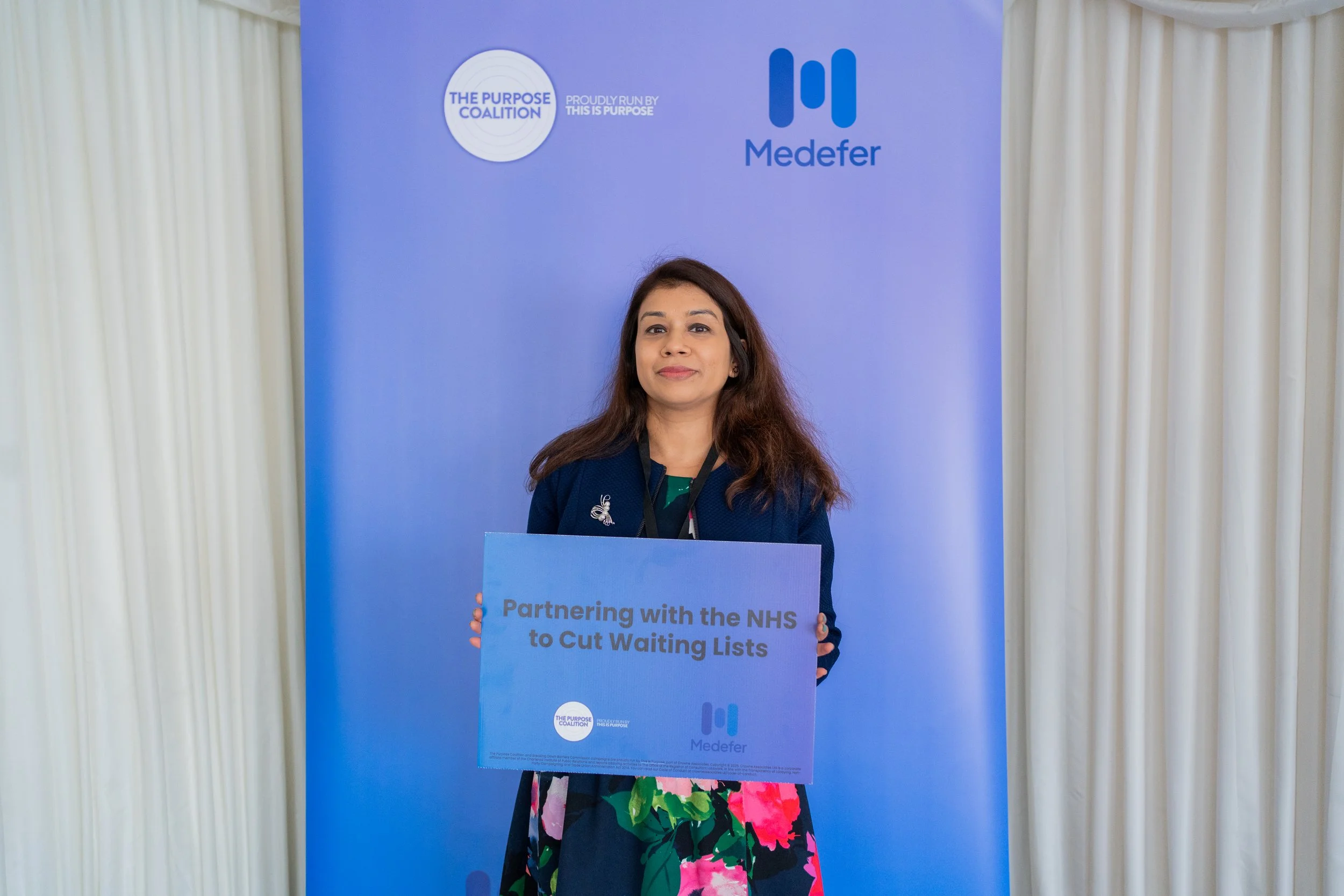
Medefer launches Social Impact Report setting out blueprint to cut NHS waiting lists and reduce health inequality

Medefer has today launched its Social Impact Report, published in partnership with the Purpose Coalition, setting out how its consultant-led, digital-first model is helping the NHS reduce waiting lists while widening access to specialist care for patients in the most deprived communities.
At a time when NHS waiting lists remain historically high and workforce pressures continue, the report makes a clear argument: tackling elective backlogs is not just an operational priority, it is a social mobility issue. Long waits delay diagnoses, push people out of work, increase pressure on families and disproportionately impact communities already facing significant deprivation.
Founded in 2013 to address inefficiencies in outpatient pathways and reduce long waits for specialist care, Medefer has now seen more than 160,000 patients across 25 NHS partnerships, with over 95% of referrals reviewed by a consultant within 48 hours . Its model bridges the gap between primary and secondary care through rapid, consultant-led triage and coordinated diagnostics, helping to ensure the right patient is seen at the right time.
Crucially, the impact is not only faster care but fairer access. The report highlights a 44.6% improvement in access for patients from the most deprived communities, demonstrating how digital pathways, when designed inclusively, can actively reduce health inequalities rather than entrench them.

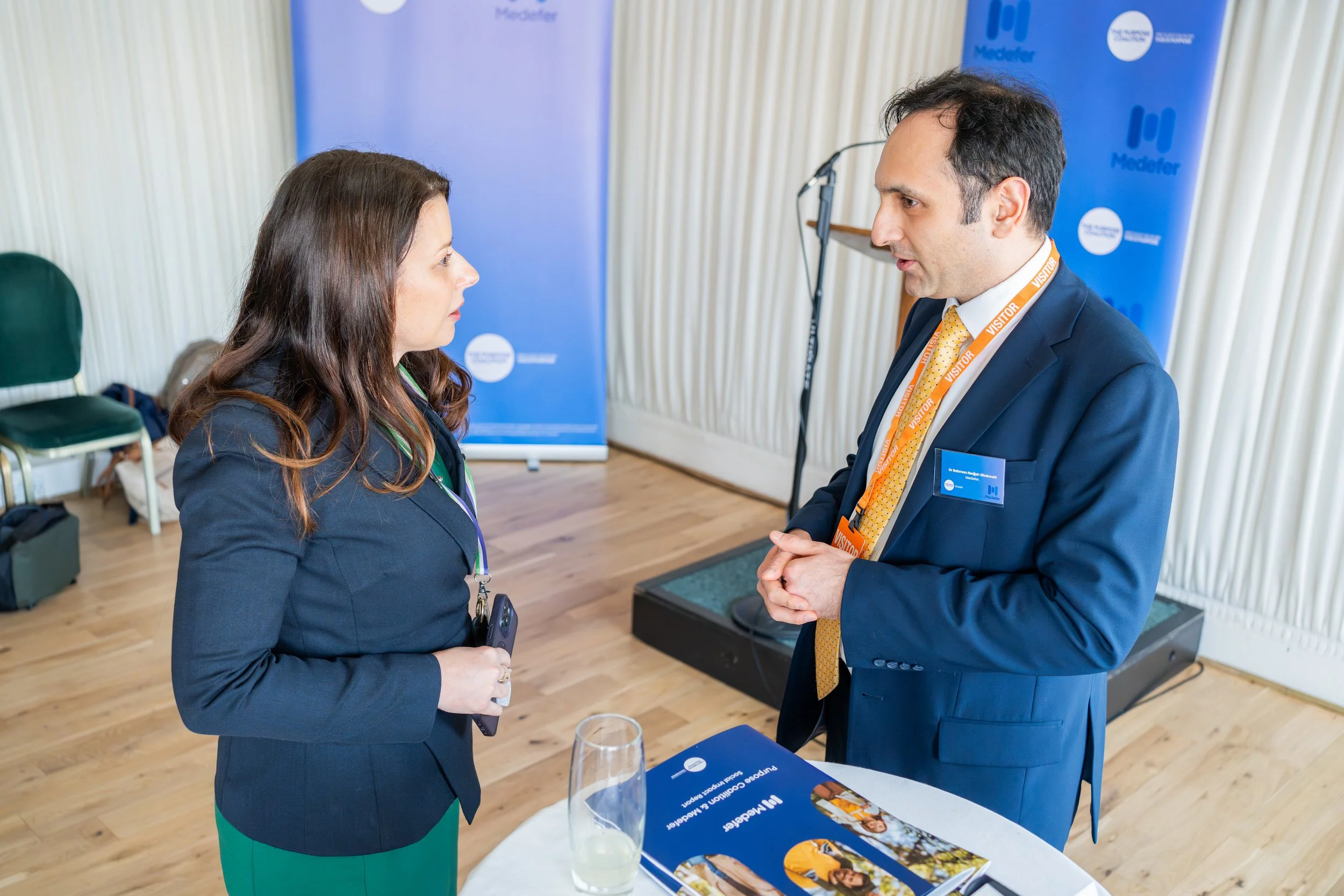
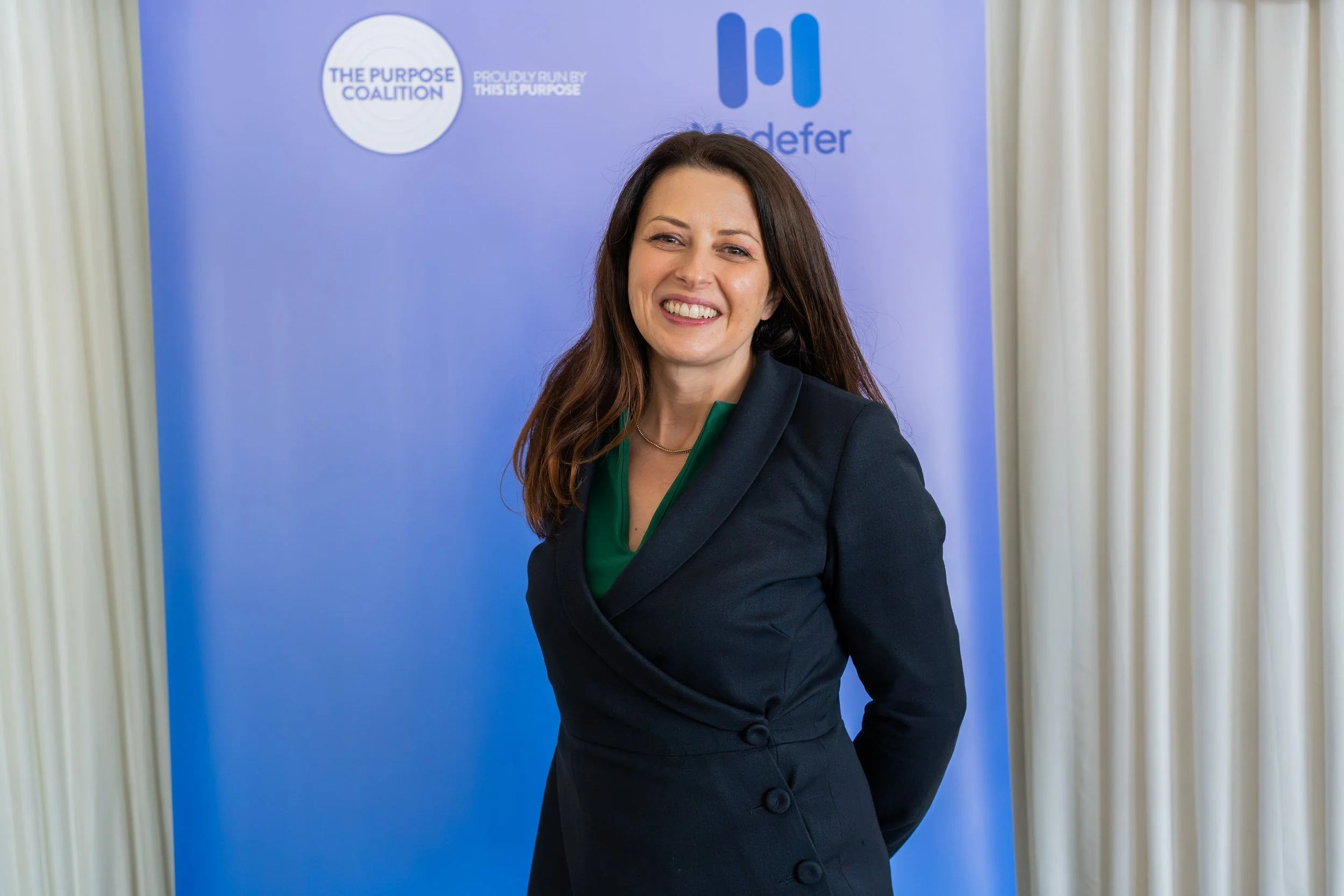
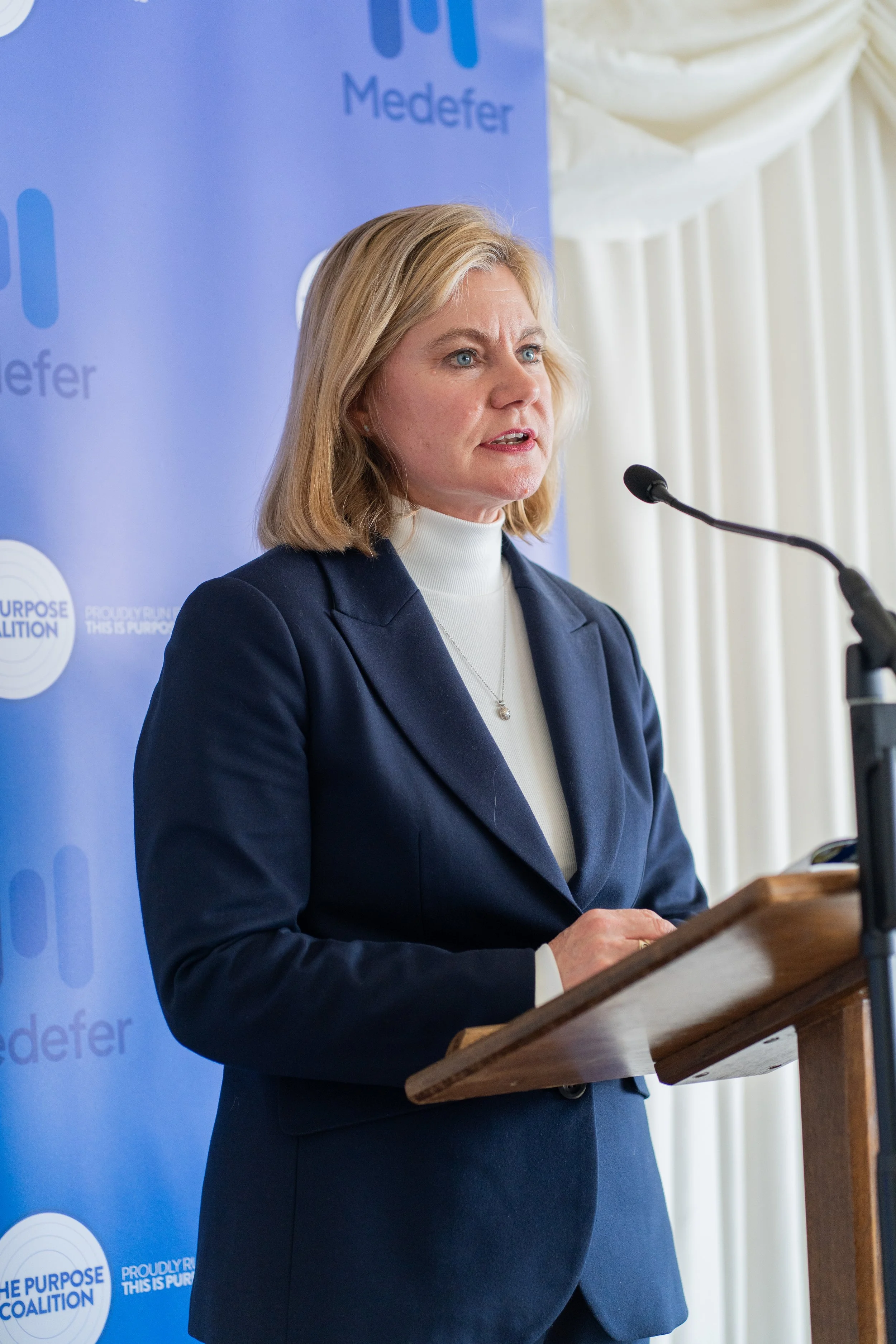
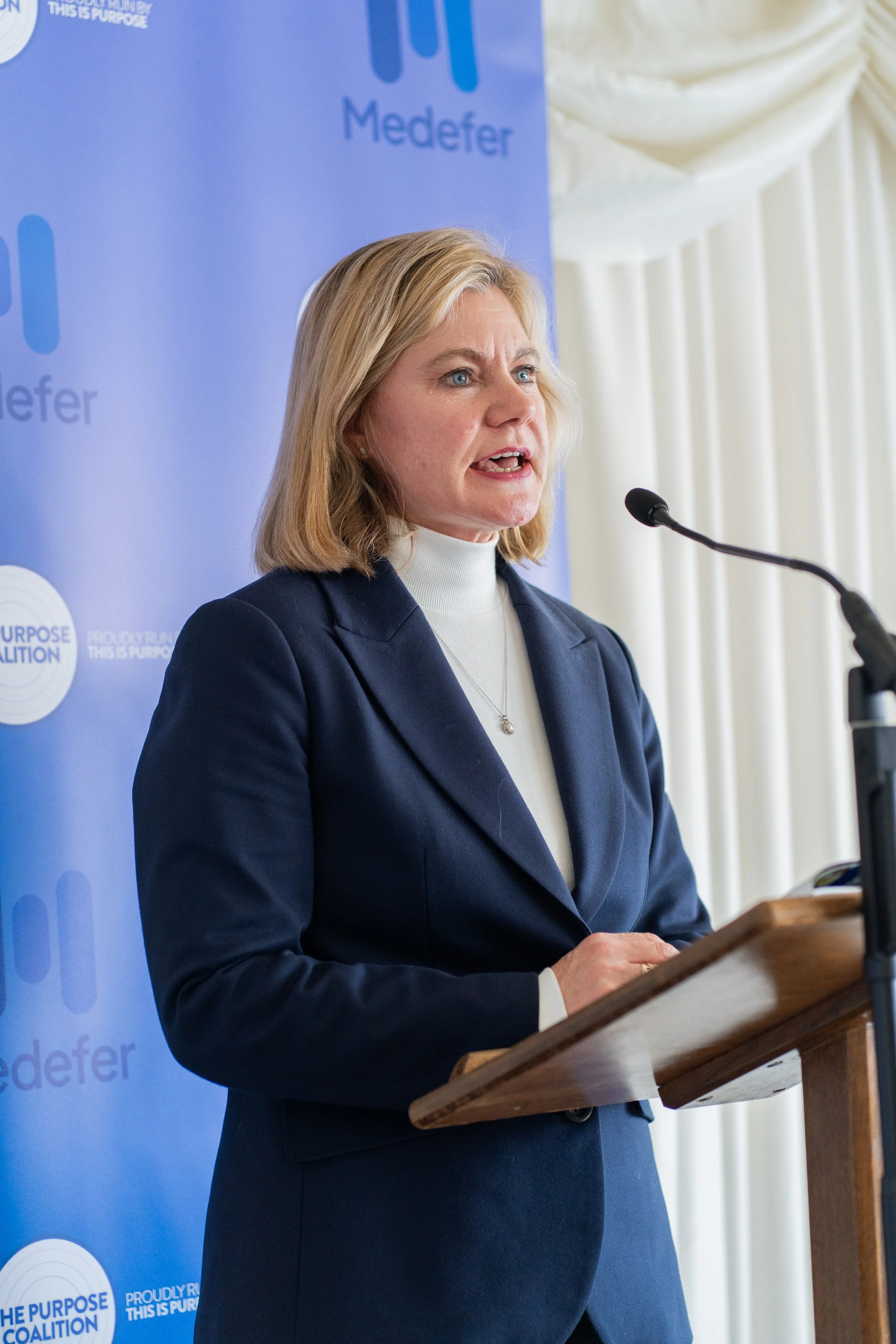
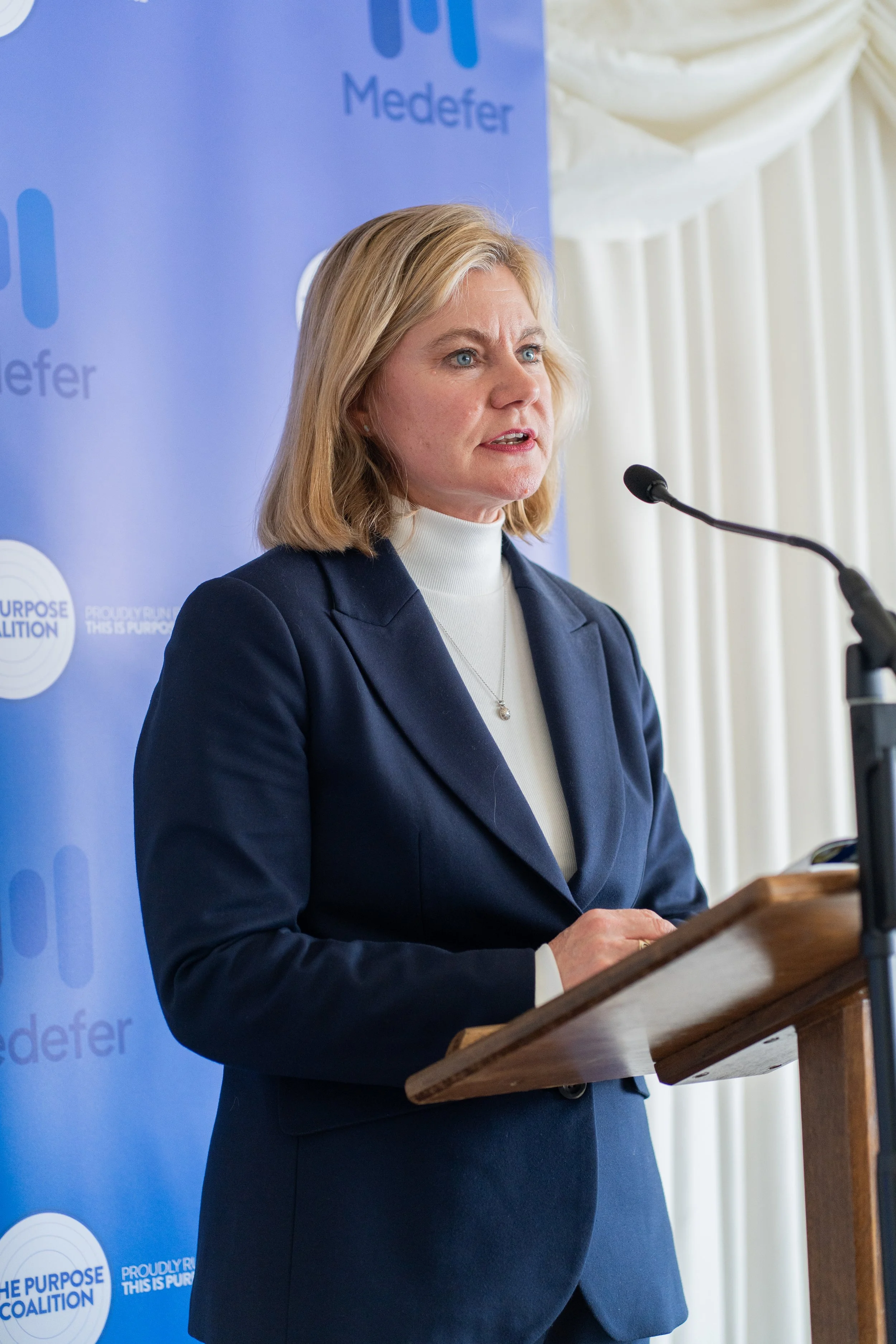
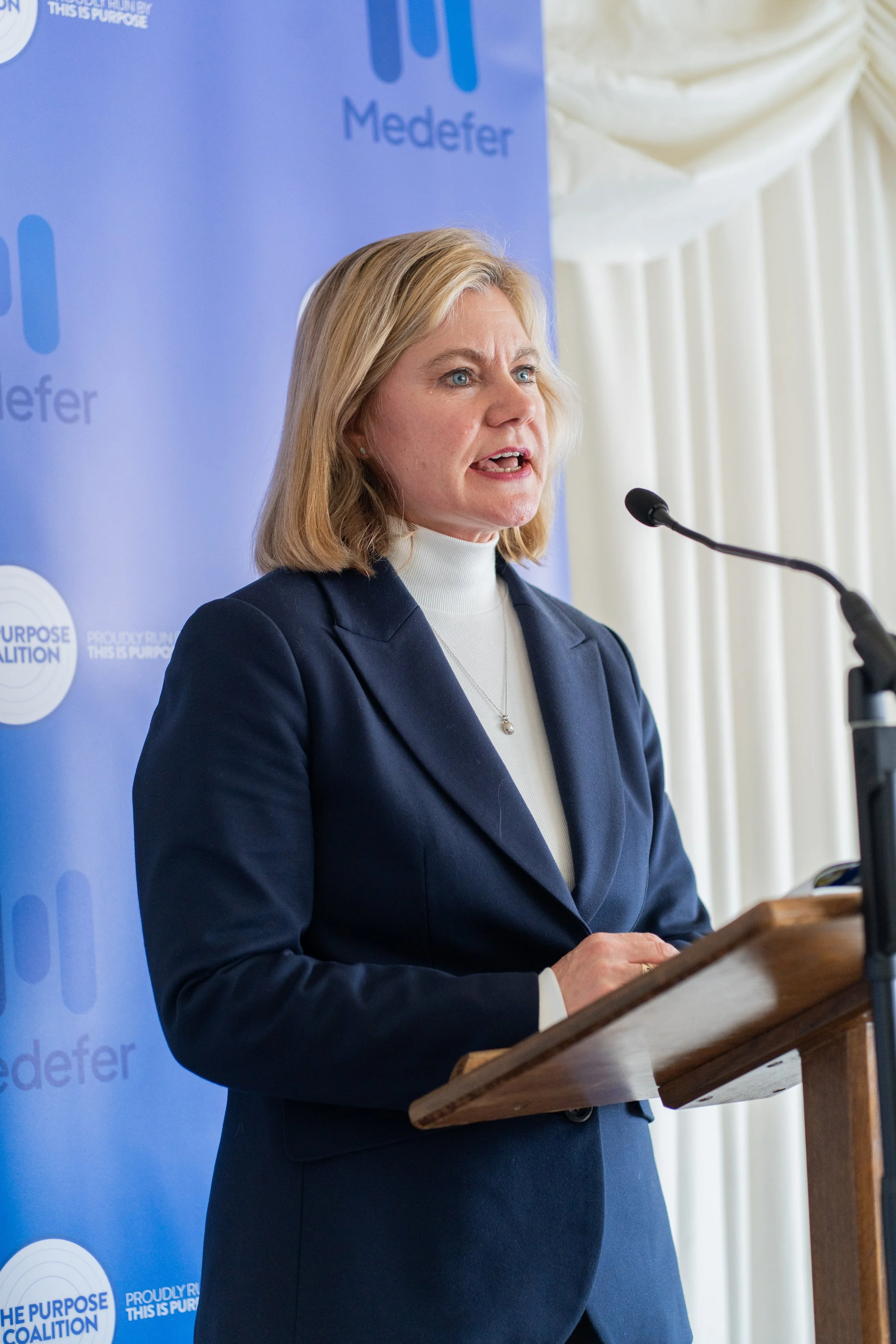
Rt Hon Justine Greening, Chair of the Purpose Coalition and former Secretary of State for Education said: “In the NHS, waiting lists remain high, workforce pressures are acute and health inequalities continue to widen. It needs solutions that strengthen the whole system with innovations that include improving access and outcomes, supporting staff and helping to deliver sustainable care with finite resources.
”Medefer’s report demonstrates how a clinically led, digital-first model directly addresses that agenda. It provides a fantastic example of how social impact can successfully be designed into healthcare delivery in the places that need it most.”
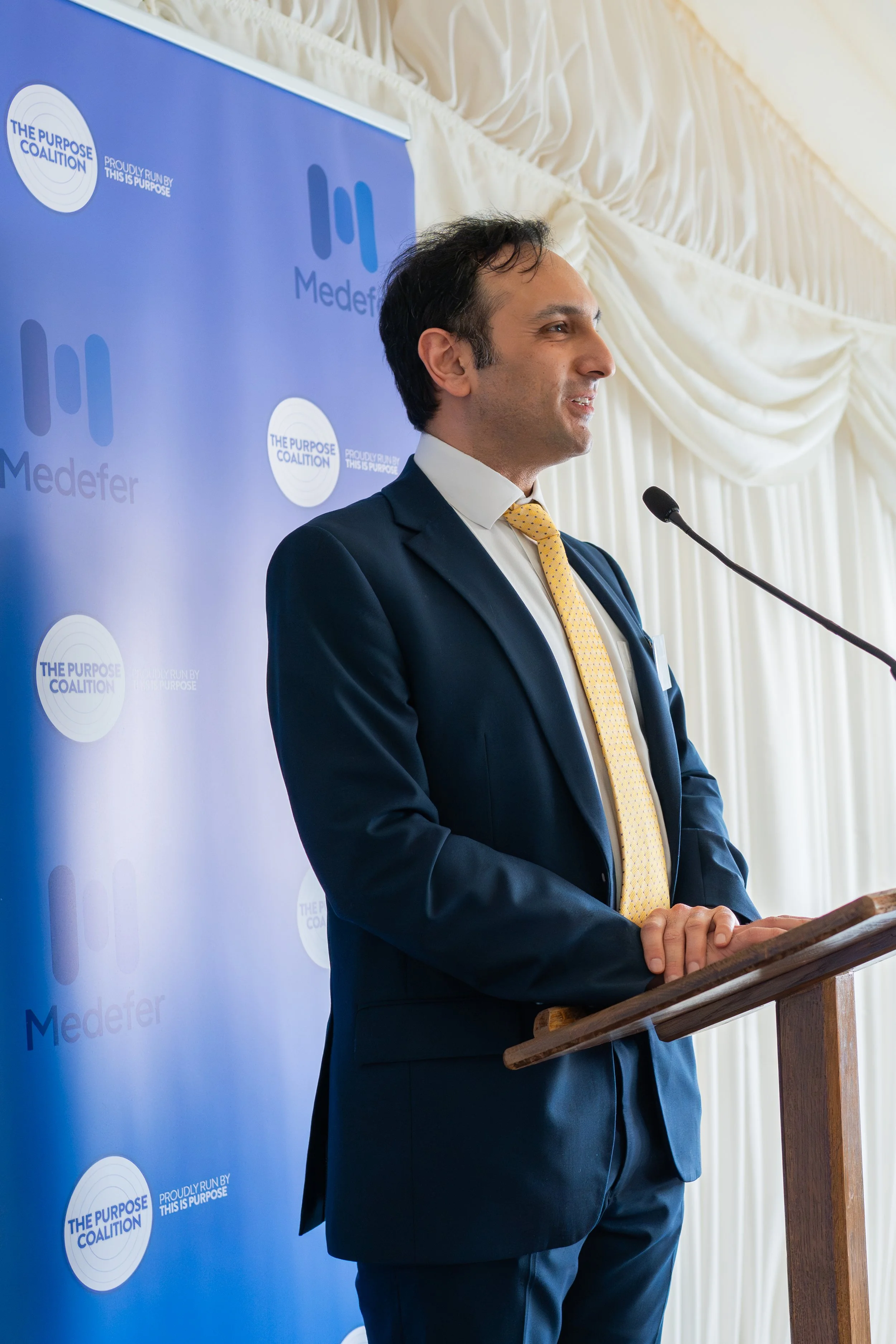
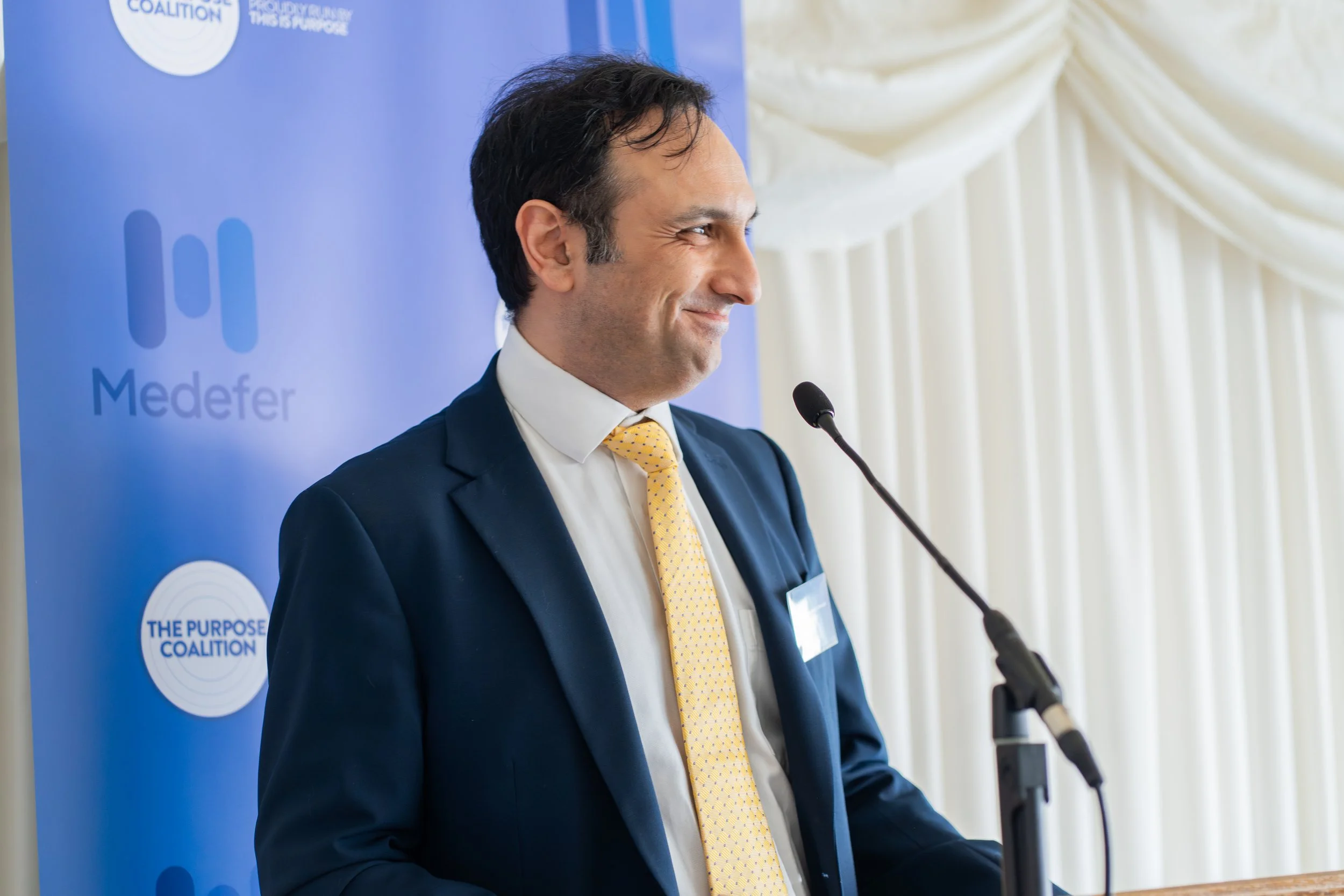
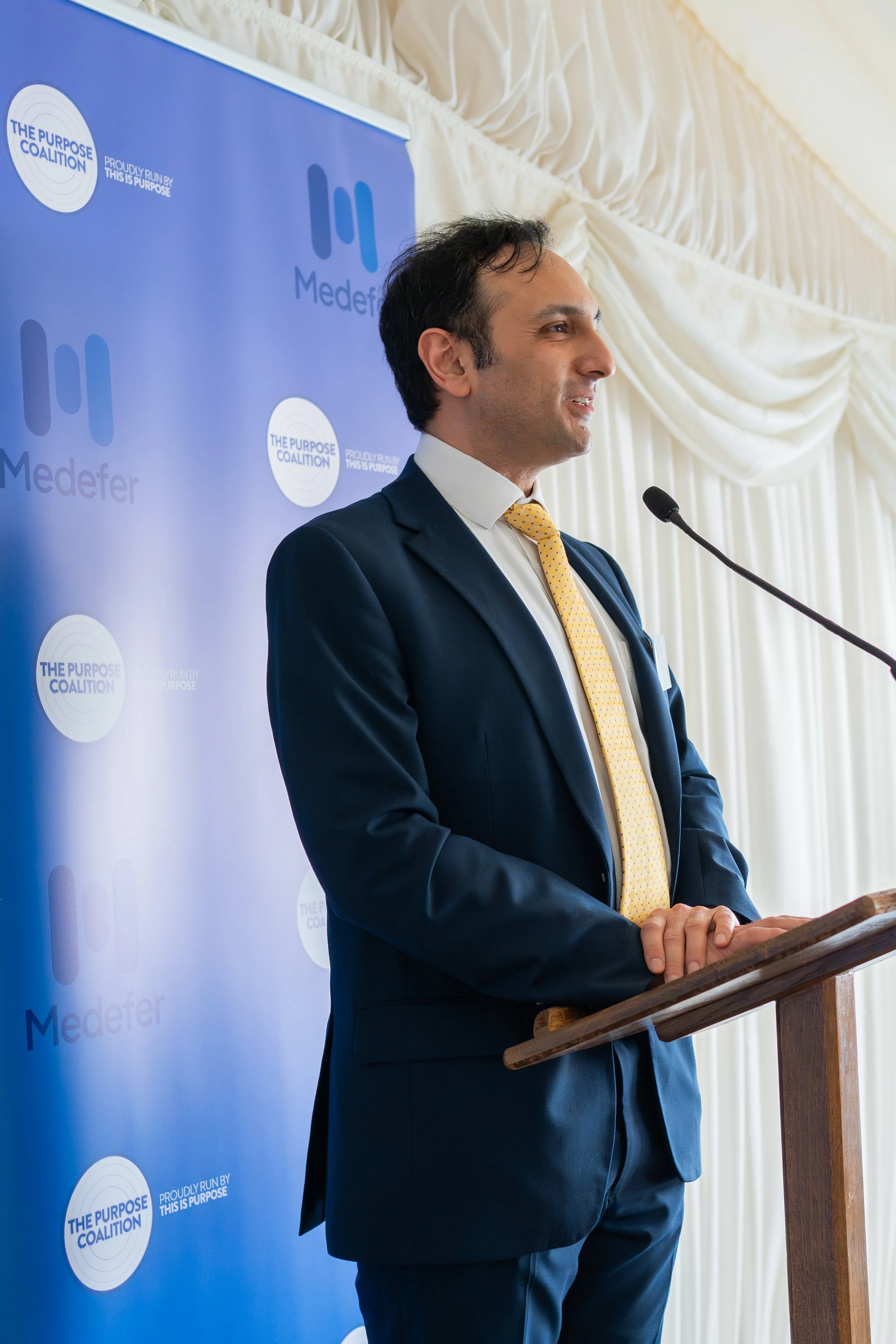
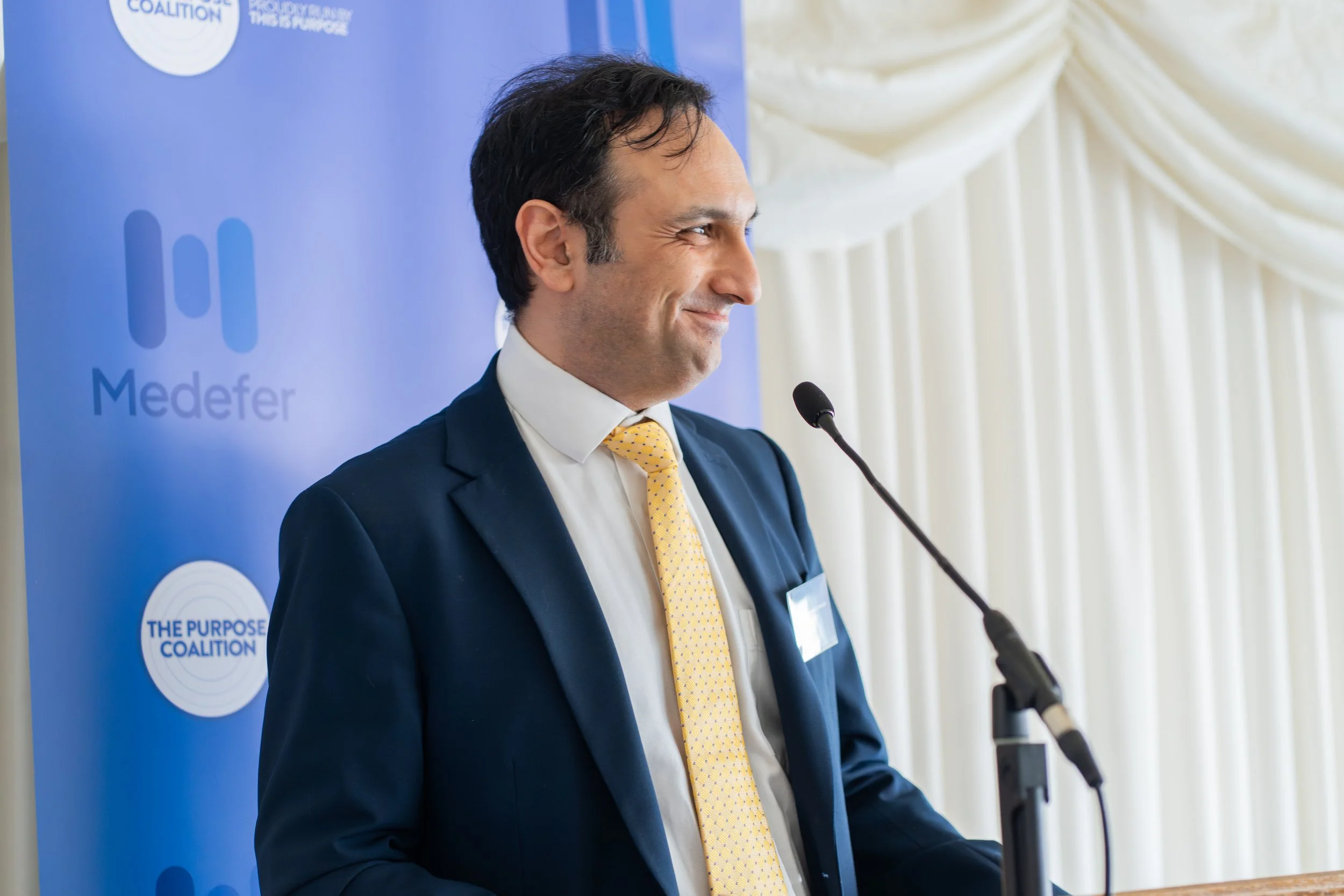
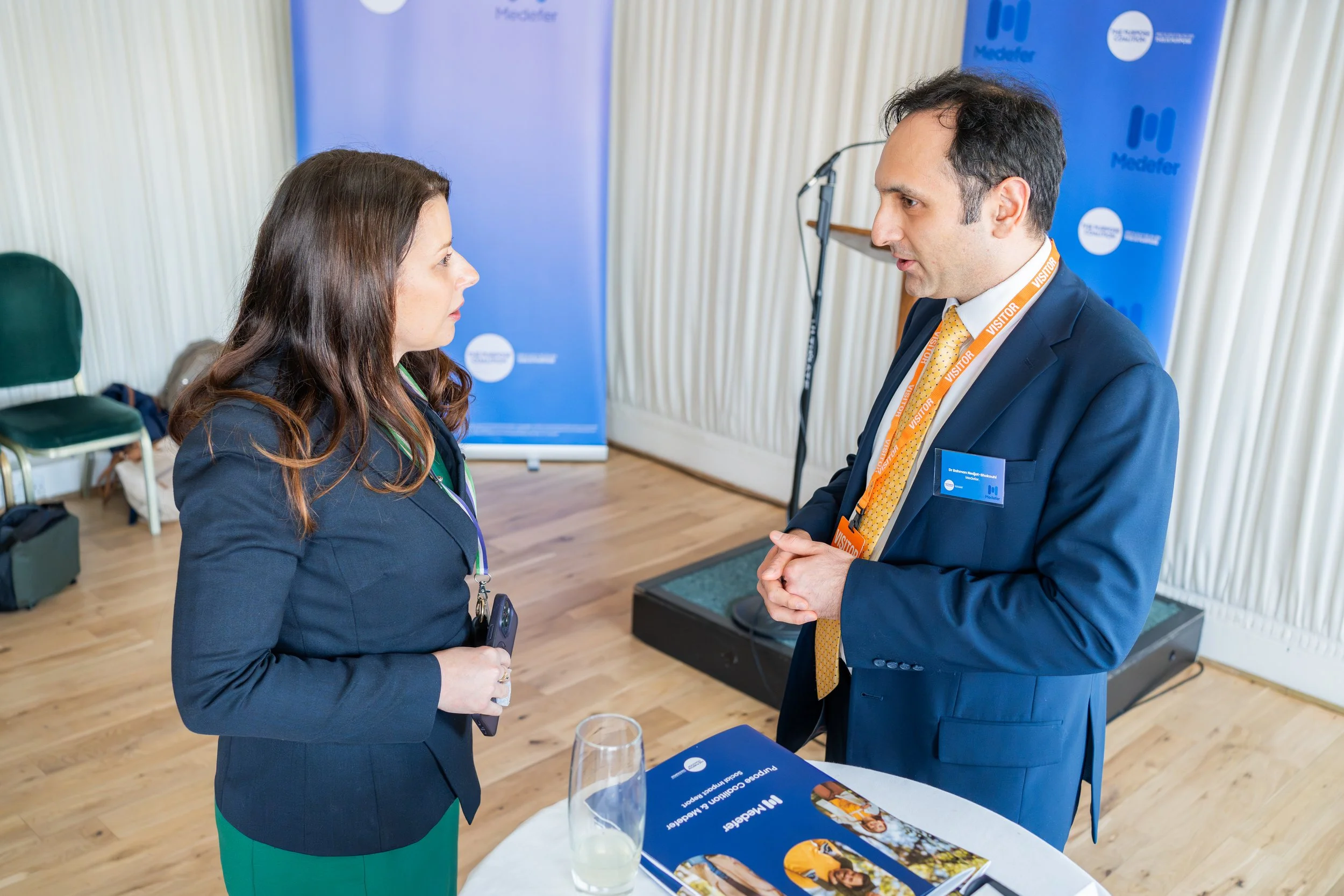
Dr Bahman Nedjat-Shokouhi, Founder and CEO of Medefer, said:
“I founded Medefer with a conviction that we have a moral obligation to improve our NHS and deliver better outcomes for patients. This report shows that reducing waiting lists can go hand in hand with reducing inequality, strengthening communities, and reducing overall cost to the NHS.”
Clearing backlogs while protecting opportunity
The report provides practical evidence of elective recovery delivered alongside improved outcomes:
At James Paget University Hospital, 86% of long-waiting patients were discharged without requiring a hospital outpatient appointment following consultant-led virtual assessment.
New referrals were reviewed on average within 0.6 days, with 92.6% assessed within 48 hours.
In Barking, Havering and Redbridge, more than 50,000 patients were managed through the virtual pathway, with 86% avoiding an outpatient visit and over 1,500 appropriately upgraded to urgent suspected cancer pathways.
By reducing unnecessary hospital visits and accelerating cancer referrals, Medefer’s model supports NHS productivity while freeing face-to-face capacity for patients with the greatest clinical need.

Aligned with the NHS 10-Year Plan
Much of what Medefer has developed over the past decade, consultant-led virtual-first pathways, risk-based triage and coordinated local diagnostics, is now reflected in the Government’s 10-Year Health Plan.
In September 2025, the Prime Minister announced NHS Online, a national virtual hospital service due to launch in 2027, with NHS England citing Medefer’s partnership with Barking, Havering and Redbridge University Hospitals NHS Trust as one of the tried-and-tested models forming its blueprint.
Beyond waiting lists
While elective recovery is central, the report also highlights Medefer’s wider social impact: inclusive recruitment practices, strong workforce diversity, Disability Confident Level 2 accreditation, and pathways designed to minimise digital exclusion through telephone-first consultations, interpreter services across 240 languages and guaranteed face-to-face options where needed.
The Social Impact Report concludes that clinically led, virtual-first care can both strengthen NHS performance and break down structural barriers to opportunity, helping to build a more equitable and sustainable health system.
Read the full report here.