
Preparing someone for release begins long before they exit the gates. It means helping them develop skills, rebuild confidence and see a realistic route towards employment, stability and a different future.
That ambition was at the heart of The Purpose Coalition’s visit to HMP Northumberland, as part of our Purpose Lab: Lives On Track programme with Sodexo UK & Ireland.
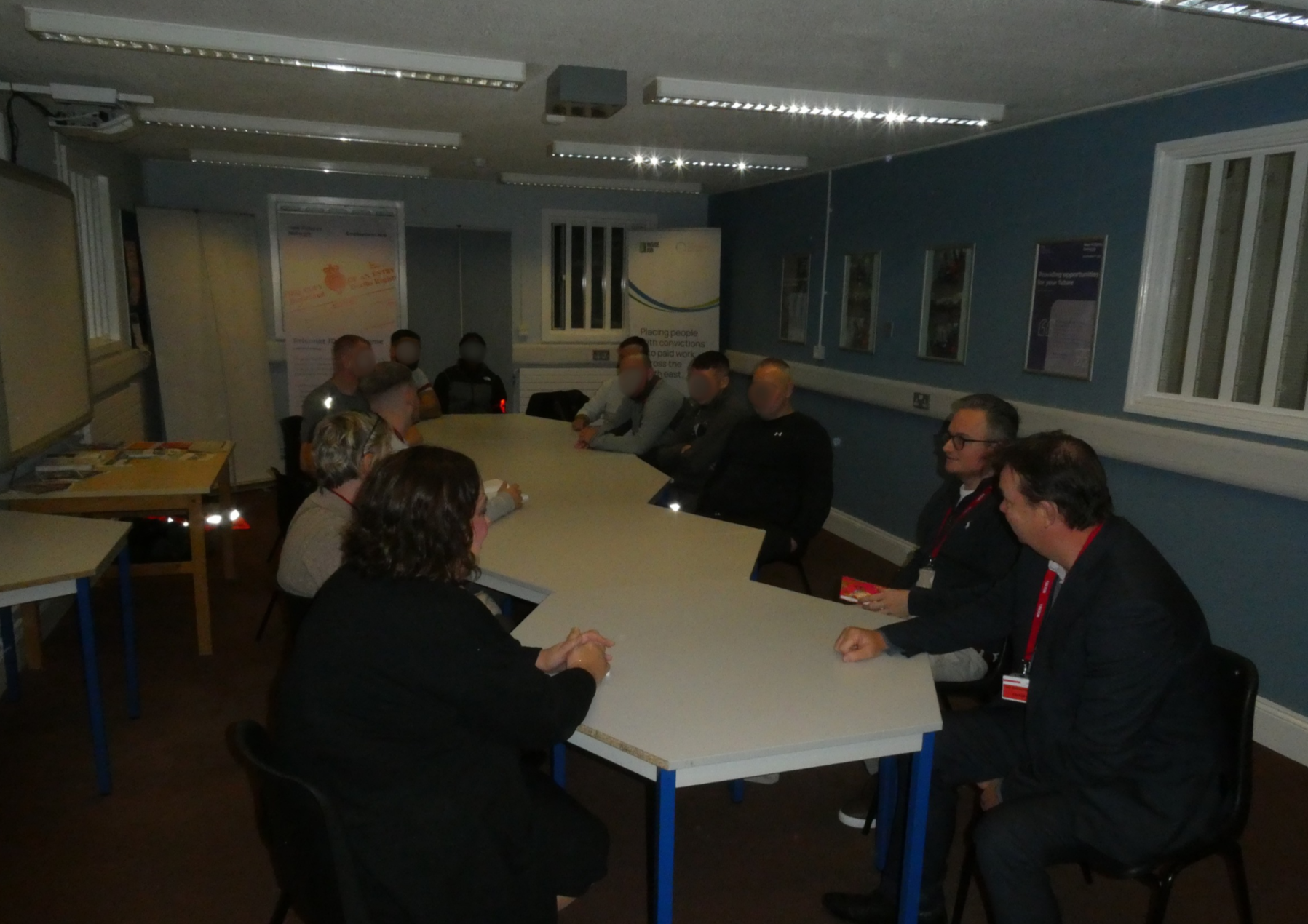
Joined by Paula Sherriff, Purpose Coalition Engagement Director and former Labour MP for Dewsbury, and Guy Opperman, former Minister of State for Employment, the team hosted by Deputy Director Lindsay Blackmore met prison leaders, colleagues and prisoners to explore how education, employer partnerships and practical support can help people rebuild their lives.
The visit built on Supporting People, Strengthening Places, our joint report launched earlier this year, which highlighted how Sodexo creates opportunity through its people, services and partnerships. At Northumberland, we explored what that means in practice for people preparing to return to their communities.
Education and skills are central to that journey. At HMP Northumberland, Novus delivers maths, English and digital skills alongside an offer that includes six construction-focused Skills Academies. Engineering, powder coating and recycling workshops provide further opportunities to develop practical capabilities and experience a working environment.
The discussion highlighted the importance of connecting those opportunities: identifying learning needs early, building essential skills and supporting progression towards technical training and qualifications that employers recognise.
As HMP Northumberland develops its new education strategy, the opportunity across its prison estate is to strengthen those connections further, bringing education, technical skills and preparation for employment together around each person’s needs and ambitions.
That requires an inclusive approach. Mental health, neurodivergence, disability and previous experiences of education all affect how people engage with learning. Supporting someone to read more confidently, recognise their strengths or take a first step back into education can lay the foundations for more specialised training.
Prisoners spoke positively about the value of practical courses and wanted more opportunities to gain recognised qualifications, including shorter courses suited to shorter sentences. They also expressed interest in emerging sectors such as wind energy. Their experiences underlined why reliable access to learning matters, including addressing staffing pressures that can interrupt provision.
Lindsay Blackmore, Deputy Director of HMP Northumberland, said: “Preparing people for release is something we achieve together, through the dedication and commitment of colleagues across our education, skills, employment and rehabilitation teams. Working alongside our partners, our staff play a vital role in helping prisoners build confidence, develop new skills and take positive steps towards a more stable and fulfilling future.
Welcoming Purpose Lab, alongside our work with The Purpose Coalition, is a fantastic opportunity to showcase the work taking place at HMP Northumberland, hear directly from prisoners about their experiences and ambitions, and explore how we can build even stronger connections with employers and community organisations. These partnerships are so important in helping people turn the progress they make in custody into real opportunities and a fresh start beyond the prison gate.”
A clear message from the leadership team was the importance of meaningful employer partnerships, with a focus on sustained employment after release.
The team heard about recruitment activity involving Derry Building Services and BSML, alongside work with Amazon to create routes into warehouse roles. Leaders described how adapting recruitment and onboarding processes can help employers give people with convictions a realistic opportunity to succeed.
These relationships complement Sodexo’s Starting Fresh programme, which encourages employers to recognise the potential of people leaving prison and consider the contribution they can make to their workforce.
The emphasis was on helping people stay in work, develop and establish stability. That means considering the suitability of a role, the support available and the practical circumstances someone will face on release.
Paula Sherriff, Purpose Coalition Engagement Director and former Labour MP for Dewsbury, said: “We heard from people who want to work, support their families and build a different future. Listening to them helps us understand both the opportunities that make a difference and the practical challenges that need to be addressed. Sodexo’s willingness to bring prisoners, colleagues and partners into that conversation is an important part of this work. Through Purpose Labs, we can turn those experiences into practical recommendations and stronger partnerships that help people get their lives back on track.”
The visit will inform the wider Lives On Track programme, helping identify opportunities for employer engagement, skills development and better preparation for release.
Through Purpose Lab, we will build on the work taking place at HMP Northumberland, using the insights gathered to help connect more employers with Sodexo’s rehabilitation programmes and strengthen routes into work. It is about giving people the skills, support and opportunity to leave prison better prepared for the future, and a realistic chance to rebuild their lives.
Guy Opperman, former Minister of State for Employment, said: “A job can give someone leaving prison an income, a routine and a renewed sense of purpose. Preparing for that opportunity needs to begin in custody, with relevant training, recognised skills and employers willing to look at a person’s potential. The work we heard about at HMP Northumberland shows why meaningful employer partnerships matter. There is a real opportunity for more businesses to get involved, helping people build sustainable careers while meeting their own workforce needs.”
Purpose Lab brings lived experience into discussions about how services and opportunities can improve. During the visit, a structured conversation with seven prisoners provided insight into their ambitions, experiences and concerns about release.
Many wanted to return to work, support their families and regain independence. They also described how uncertainty about accommodation, communication with probation and access to support could make that transition difficult.
Those conversations reinforced the need for prisons, employers, probation and community services to work together. Skills and employment are essential, but their impact is stronger when people also have somewhere stable to live and understand the support available to them.
There were encouraging examples of prisoners supporting one another. Participants praised prisoner led peer support delivered through ‘Inside Job’, helping those approaching release access employment advice. Plans for a peer-led Skills Academy would build further on the contribution tutors and mentors can make.
